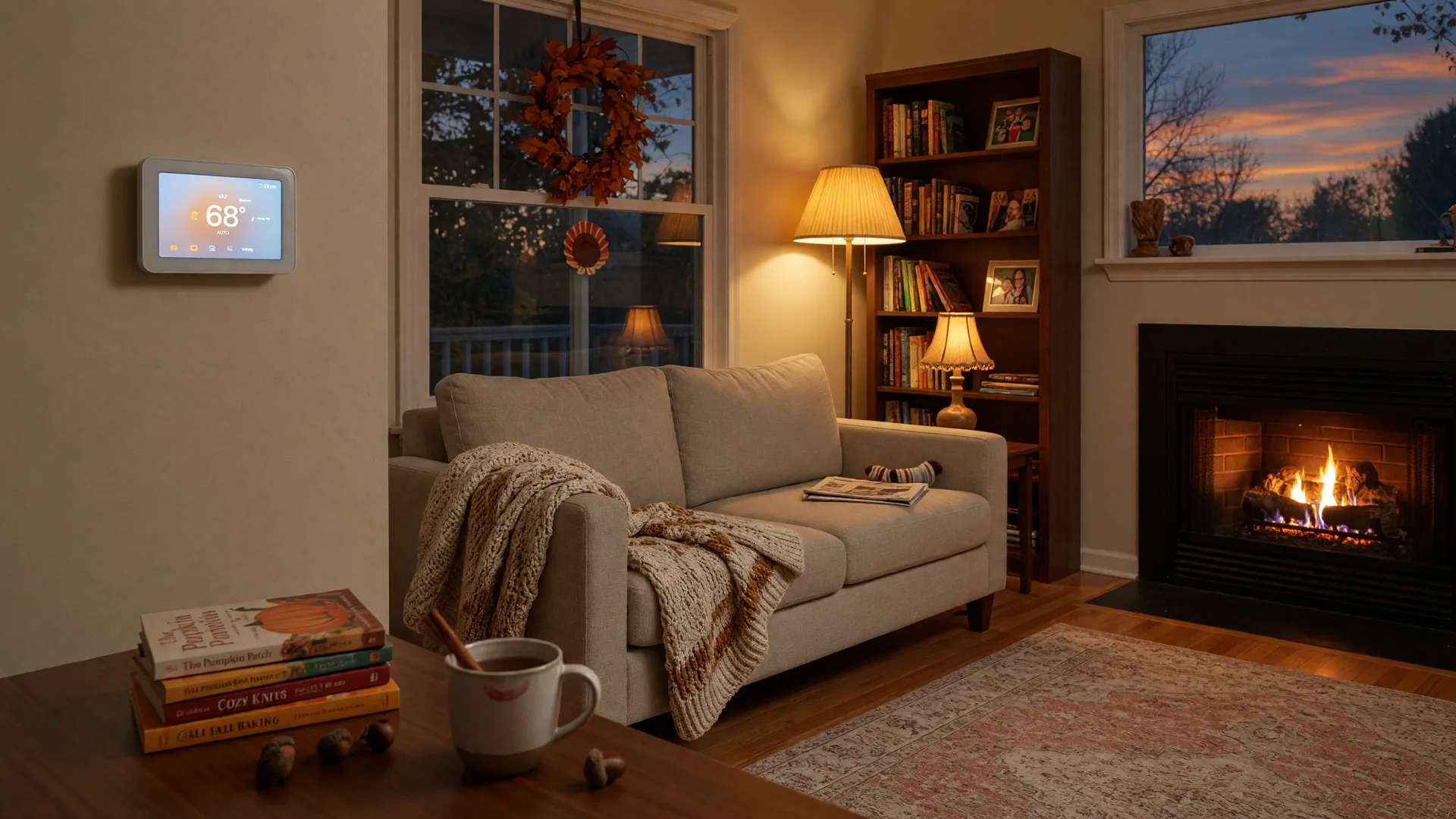
September is the perfect month to think about heat in Delran. The afternoons are still warm, but the first hard freeze usually arrives between late October and mid-November, and the furnace you ignore today is the no-heat emergency you pay for in January. This guide covers how often to service your furnace or heat pump, what a tune-up actually includes and costs in New Jersey, which checks you can safely do yourself, when replacement makes more sense than repair, the carbon monoxide rules every Delran homeowner should know, and the state programs that help with heating bills. It is one piece of the bigger seasonal picture: the fall home maintenance checklist covers everything else before the cold arrives, the winter home maintenance guide picks up once pipes and snow are the concern, and the Homeowner Resources hub is the best place to start if you are new to home care.
Why Does Heating System Maintenance Matter So Much in Delran?
Delran sits in a climate where heating is not optional. From December through February, overnight lows regularly fall below freezing, and the town occasionally sees single-digit nights. When the heat stops working on one of those nights, you are not just uncomfortable, you are facing an emergency repair call in the middle of winter, when contractors are busiest and the price tag is highest.
There is a quieter cost too: a neglected furnace burns more fuel to deliver the same warmth. A dirty filter, a sooty burner, or a blower that has not been cleaned in years makes the system work harder all season, which shows up directly in your PSE&G bill. Caring for the heating system is one of the highest-return chores on the seasonal maintenance list, right up there with gutters and weather stripping. For the full rundown on cutting wasted energy, from insulation to smart thermostats, our energy efficiency guide for Delran homes goes deep with PSE&G rebates and the biggest-impact fixes.
How Often Should You Have Your Heating System Serviced?
Once a year. Book it now, in September or early October, before you actually switch the heat on. The technicians have open schedules while the weather is still mild, and the inspection catches problems while they are cheap to fix instead of in the middle of a cold snap.
Annual service matters for another reason on newer equipment: most manufacturers require a yearly professional tune-up to keep the warranty valid. If your furnace or heat pump is under 10 years old, skipping the annual visit can void coverage on a very expensive piece of machinery. Heat pumps need the same yearly attention as gas furnaces, and if yours has an outdoor unit, keep leaves and debris cleared away from it all fall so airflow stays strong.
Gas Furnace or Heat Pump: What Do Delran Homes Use?
The vast majority of Delran homes heat with natural gas from PSE&G, which serves the township for both gas and electricity. That is the clean, efficient heating most people picture: a forced-air furnace with ductwork, a thermostat on the wall, and a gas bill that is a normal line item in the cost of living.
The exceptions are worth knowing about. Some older homes, especially in historic Bridgeboro along the Rancocas, still run on oil heat with a tank in the basement, and those systems need a yearly inspection just the same, plus attention to the tank and oil line. Newer construction and many townhomes in developments like Chester Woods and Foxtail Creek use electric heat pumps, which both heat and cool from the same unit. Knowing which system you have matters because the maintenance, the failure modes, and the replacement costs are genuinely different. If you are weighing a move and want to compare heating costs between house types, the Delran cost of living guide breaks down utilities and the other monthly numbers.
What Does a Furnace Tune-Up Include, and What Does It Cost?
A proper professional tune-up is a real inspection, not a quick look. The technician checks the heat exchanger for cracks, cleans and adjusts the burner and flame, tests the unit for carbon monoxide leakage, checks the flue and venting, inspects and oils the blower and motor, verifies the thermostat is accurate, and confirms the air filter is clean. On a heat pump they add the refrigerant level and the outdoor coil to the list.
In New Jersey, a one-time furnace or HVAC tune-up typically runs about $85 to $200 per visit, with most jobs landing between $150 and $200. Many local companies offer annual maintenance plans that bundle a fall furnace check with a spring air conditioning check for roughly $150 to $350 a year, which spreads the cost out and gets you priority scheduling. That is a small price for catching a cracked heat exchanger, a failing igniter, or a carbon monoxide risk before it becomes a winter emergency.
What Can You Check Yourself This Weekend?
A full tune-up is a pro's job, but a handful of simple checks keep your system healthy between visits. The most important is the filter: replace or clean it every one to three months, and definitely at the start of the heating season. A clogged filter is the single most common cause of weak airflow, higher bills, and premature blower failure.
Then walk the house: make sure furniture and rugs are not blocking baseboards, registers, or wall vents; swap in fresh batteries in the thermostat (and in your smoke and carbon monoxide detectors); and check that the outdoor heat pump unit is clear of leaves and yard debris. If you have a furnace humidifier, clean its pad or filter and check the drain line. None of this takes more than an afternoon, and it all protects the investment you made in staying warm.
How Do You Know When to Replace Instead of Repair?
A gas furnace typically lasts 15 to 20 years with regular maintenance, and some well-cared-for units reach 25. Air-source heat pumps generally last 10 to 15 years. Age alone is not the deciding factor, though. Two more signals matter more.
First, repair frequency: if you have called for service two or three seasons in a row, the unit is telling you it is done. Second, the one-third rule: if a single repair would cost more than about a third of the price of a new system, replacement is usually the smarter money. Rust, soot, or visible cracks around the heat exchanger are a safety issue, not a repair decision; shut the system down and call a professional immediately in that case. A modern high-efficiency furnace or heat pump will almost always pay back part of its own cost in lower bills, and our energy efficiency guide walks through rebates and financing options that make the upgrade easier.
Are Carbon Monoxide Detectors Required in New Jersey?
Yes, and this one matters. New Jersey law requires carbon monoxide alarms in every dwelling unit, installed within 10 feet of any sleeping area, in any home that contains a fuel-burning appliance, a fireplace, a woodstove, or an attached garage. The alarms must be UL-2034 listed, and they can be battery-operated, hard-wired, or plug-in.
The practical Delran version of the rule: if you heat with gas or oil, or park a car in an attached garage, you are legally required to have working CO alarms near the bedrooms, and you should test them monthly. A faulty furnace or a blocked flue can put carbon monoxide into your living space with no smell and no warning, which is exactly why the annual tune-up includes a CO check, and why the detectors are not optional. When a Delran home changes ownership, the seller must provide a certificate of smoke detector and CO alarm compliance, so this also comes up at closing.
What If Heating Bills Are a Struggle This Winter?
If the numbers are tight, New Jersey has real programs that help, and they are worth applying for before the cold arrives. LIHEAP, the federal Home Energy Assistance Program administered by the state, helps income-eligible households pay heating costs; New Jersey heating benefits in 2026 ranged from about $118 to $1,278 depending on income and household size. The Universal Service Fund (USF) provides monthly credits on the energy bills of eligible households, applied directly through your utility.
There is protection on the other end too: the state's Winter Termination Program stops utility shutoffs for eligible households between November 15 and March 15, and households certified for LIHEAP or USF are automatically covered. The Weatherization Assistance Program provides free energy upgrades for qualifying households, which attacks the problem at the source. Applications go through the New Jersey Department of Community Affairs' energy assistance office, and PSE&G's customer service team can point Delran residents to the right intake process.
What Should You Do If the Heat Goes Out Midwinter?
Work the simple checks first: confirm the thermostat is set to heat with fresh batteries, make sure the furnace switch, breaker, and gas valve are on, and check the filter for a clog that could have tripped a safety switch. If the system still will not light, do not keep cycling it, repeated attempts can flood the burner.
If you smell gas at any point, stop everything: leave the house immediately, do not flip light switches, and call PSE&G's 24/7 gas emergency line and 911 from outside. If there is no odor and the unit is simply dead, call a licensed HVAC company. For trusted names Delran homeowners have used, the Delran contractor recommendations page is a good first stop, and I am always glad to share who I would call for my own family.
Frequently Asked Questions About Heating System Maintenance in Delran
How much does a furnace tune-up cost in New Jersey?
A professional furnace or heating system tune-up in New Jersey typically runs about $85 to $200 per visit, with most jobs landing between $150 and $200. Annual maintenance plans that bundle a fall furnace check with a spring air conditioning check usually cost $150 to $350 per year.
How often should I have my heating system serviced in Delran?
Once a year, ideally in September or early October before the first hard freeze. Delran's first true freeze usually lands between late October and mid-November, and HVAC contractors fill up fast once no-heat calls start. Annual service is also required to keep the warranty valid on most newer furnaces and heat pumps.
How long does a furnace or heat pump last?
A gas furnace typically lasts 15 to 20 years with regular maintenance, and some well-cared-for units reach 25. Air-source heat pumps generally last 10 to 15 years. Regular annual service extends both, so age alone is not the deciding factor, repair history and efficiency matter just as much.
Does Delran use natural gas or oil heat?
Most Delran homes heat with natural gas delivered by PSE&G, which serves the township for both gas and electric. Some older homes, especially in historic Bridgeboro, still run on oil heat, and newer construction and many townhomes in developments like Chester Woods and Foxtail Creek use electric heat pumps.
Are carbon monoxide detectors required in New Jersey homes?
Yes. New Jersey law requires carbon monoxide alarms in every dwelling unit, installed within 10 feet of any sleeping area, in any home with a fuel-burning appliance, fireplace, woodstove, or attached garage. Alarms must be UL-2034 listed, and working smoke and CO alarms are required when a home changes ownership.
What help is available for New Jersey heating bills?
New Jersey offers LIHEAP, the federal Home Energy Assistance program, with heating benefits that ranged from about $118 to $1,278 for eligible households in 2026, plus the Universal Service Fund, which provides monthly credits on energy bills. The Winter Termination Program also protects eligible households from utility shutoffs between November 15 and March 15.
How do I know if my furnace needs to be replaced?
Consider replacement when the furnace is past 15 years old and repairs are becoming frequent, when one repair costs more than roughly a third of a new system, or when efficiency has clearly dropped and bills keep climbing. Rust or cracks on the heat exchanger are a safety issue that calls for immediate professional attention, not a patch.
One afternoon in September, one visit from a licensed technician, and one set of fresh detector batteries will carry most Delran homes through the winter without drama. Start with the filter, book the tune-up early, and test the alarms before you need them. For the whole cold-season picture, the winter home maintenance guide picks up where the tune-up ends, and the Delran FAQ keeps the quick answers to everyday homeowner questions. Have questions about Delran? Contact Bob Millaway at 856.426.1522.
Have Questions About Delran?
Contact Bob Millaway at 856.426.1522. As an Epique Realty AI Certified Agent, I have spent 20+ years helping Burlington County families get more out of their homes and neighborhoods, and I am always happy to share what I know.